
Describe the property
Send the location, symptoms, equipment and access details. State whether the work is a repair, replacement or planned project.
Need duct cleaning in Mount Brydges? Tell us which air ducts, dryer vent or ventilation equipment need attention. A responding provider will confirm coverage and availability before booking.
Get A Free QuoteCompare whole-home supply and return cleaning, main trunk access, and any camera inspection options for your Mount Brydges property.
View scopeCheck whether the proposed work follows the full vent route from dryer to exterior hood, including long basement spans or overhead bends.
View scopeAsk which blower components, evaporator coil surfaces, condensate pan, and drain are accessible and included in the proposed scope.
View scopeCompare HRV core and filter work with separate bathroom or range exhaust duct clearing through to accessible outlets.
View scopeInvestigate possible odour sources first, then review any proposed post-cleaning product, application area, and label directions.
View scopeAsk for leak testing and a written repair scope covering confirmed joints, damaged flexible duct, materials, and access.
View scopeRequest a site-specific equipment scope, access plan, scheduling details, and closeout records for the building.
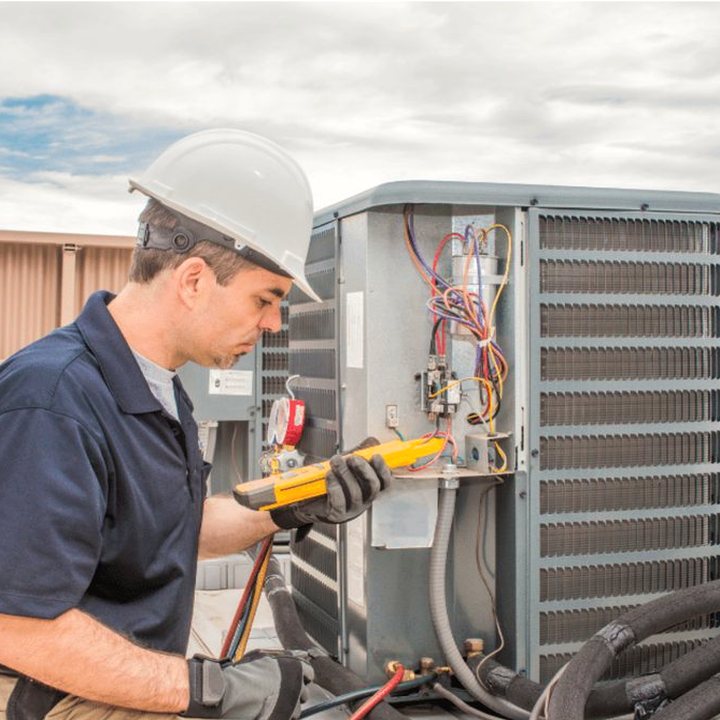
View scopeCommercial ventilation projects in Mount Brydges can involve very different equipment, from a rooftop unit serving a plaza space to a basement system in a hall or a larger building with multiple zones. Before comparing proposals, gather equipment lists, access information, operating hours, and any documentation requirements from the property manager or board. Ask for a site review and written scope that identifies systems, exclusions, work areas, and closeout records. Scheduling and access should be agreed with the site contact.
Compare whole-home supply and return cleaning, main trunk access, and any camera inspection options for your Mount Brydges property. Check whether the proposed work follows the full vent route from dryer to exterior hood, including long basement spans or overhead bends. Ask which blower components, evaporator coil surfaces, condensate pan, and drain are accessible and included in the proposed scope.
Compare HRV core and filter work with separate bathroom or range exhaust duct clearing through to accessible outlets. Investigate possible odour sources first, then review any proposed post-cleaning product, application area, and label directions.
Ask for leak testing and a written repair scope covering confirmed joints, damaged flexible duct, materials, and access. Request a site-specific equipment scope, access plan, scheduling details, and closeout records for the building.
A dryer vent’s route and termination determine what an inspection should cover. If a Mount Brydges home has a basement laundry area and a long run to a foundation-wall outlet, document the route and check whether the outside hood is accessible. For an upstairs laundry or an overhead run, note visible bends and the outlet location. Ask whether the proposed work covers the full duct from dryer to exterior termination, clears the hood, and compares airflow before and after cleaning.
Explore this serviceSend the location, symptoms, equipment and access details. State whether the work is a repair, replacement or planned project.
The request is reviewed so the responding provider can clarify the work, property access and service coverage.
Agree the provider identity, qualifications, written scope, pricing and visit window directly. Sending a form does not confirm an appointment.
A rooftop unit and an older basement air system can differ in access, layout, and cleaning needs. Ask the assessor to identify the equipment covered, access constraints, and any areas excluded, then request a written price tied to that scope. If the building has multiple units or tenants, provide a site plan or equipment list where available; those details can materially change the work required.
If a musty smell appears seasonally, note its timing and check accessible areas such as the basement, equipment cabinet, and condensate drain for possible sources. Ask what evidence links the odour to duct surfaces and whether another inspection is appropriate. This can change the scope: treating ductwork without identifying a separate moisture or equipment issue may not resolve the underlying cause.
A leak on the supply side and one on the return side can have different effects, depending on location and system design. If a return runs near a basement or another unconditioned space, point out its route and ask whether testing supports a repair there. This conditional detail can change priorities and access needs; do not assume that a particular room’s dust proves a return leak.
If a property is near a busy road, fields, or wooded areas, those surroundings may be relevant when discussing dust and seasonal debris, but they do not establish that ducts need cleaning. Note when symptoms or visible buildup occur, check filters and returns, and ask how those observations affect the recommended scope and any suggested maintenance interval.
Note filter dimensions, unit location, and any replacement schedule shown in the equipment manual. Ask how to identify the correct filter and what maintenance interval the manufacturer recommends for the home’s operating conditions. A written record can make routine checks easier between professional visits. Do not rely on a general seasonal schedule without considering the unit instructions, filter type, and household use.
Use the form to describe the property, the symptoms and the work requested. For Strathroy, Melbourne, Komoka, Glencoe, include your postal code so local coverage can be checked.